Digital Hydraulic Pressure Gauge Explained: A UK Buyer's Guide
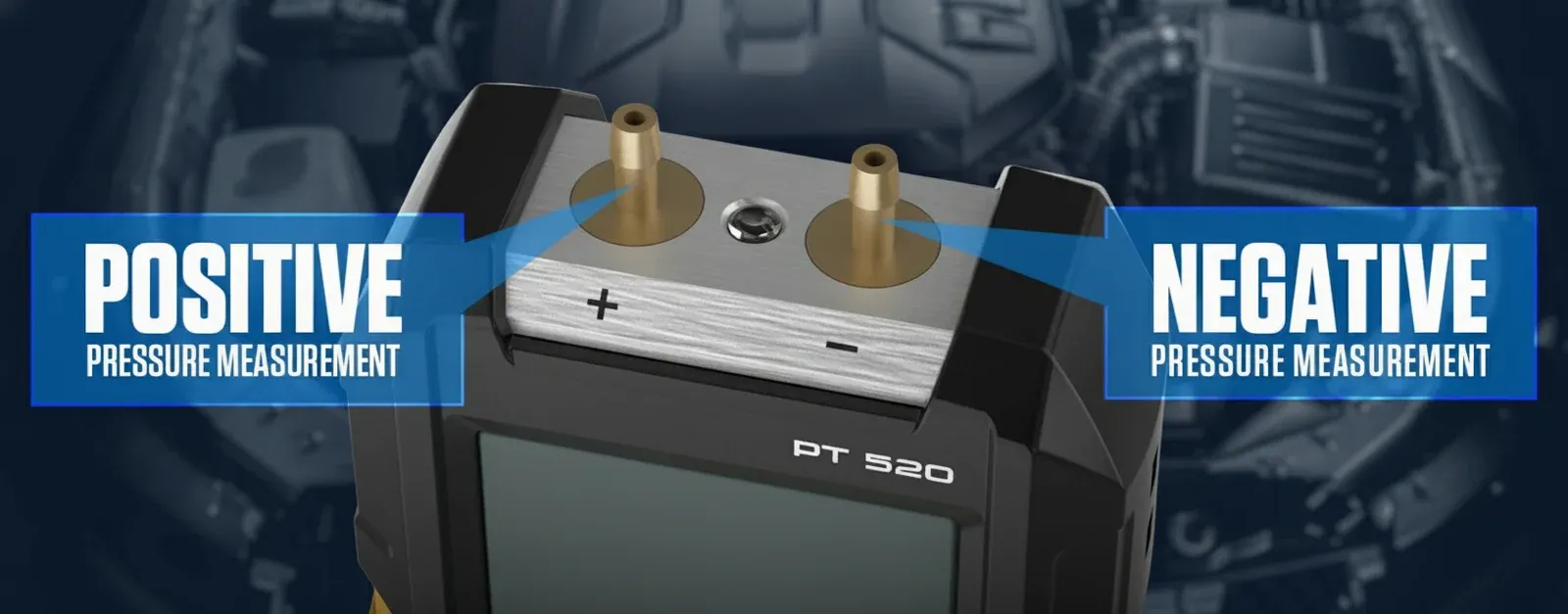
TL;DR: A digital hydraulic pressure gauge is an electronic measuring instrument that accurately calculates fluid presn hydraulic systems and displays the exact numerical value on a screen. Based on our testing at ManometerGas, these devices significantly reduce reading errors compared to traditional analogue dials, making them essential for safe and efficient plant maintenance across the UK.
Key Takeaways
- A digital hydraulic pressure gauge measures presn liquid-filled hydraulic systems with a digital display for clearer, faster readings.
- For UK buyers, the right choice depends on pressure range, accuracy, ingress protection, connection size, calibration support and site conditions.
- Digital gauges can reduce reading errors compared with analogue dials, especially in poor light, awkward mounting positions and mobile service work.
- Hydraulic pressure measurement matters across UK industry, plant maintenance, manufacturing, facilities management and specialist engineering environments.
- If you also work on gas and HVAC systems, it helps to understand where hydraulic gauges differ from dedicated differential gas instruments such as the professional digital gas manometer.
Essentially, a digital hydraulic pressure gauge is a precision tool that converts fluid presnto an electronic signal, providing an immediate, easy-to-read numerical output. Pressure readings drive real decisions: whether a machine can return to service, whether a pump is performing properly, or whether a hydraulic line is safe to test again. Consequently, when the number is wrong or difficult to read, the consequences are rarely minor. Downtime stretches on, faults get misdiagnosed, and components may be replaced unnecessarily.
That is precisely why interest in the digital hydraulic pressure gauge has grown across the UK. Furthermore, engineers increasingly want instruments that are quicker to read than traditional dial gauges, easier to document, and better suited to demanding field conditions. For maintenance teams moving between plant rooms, workshops, construction sites and service vehicles, digital measurement is often the practical choice rather than a luxury.
This guide explains exactly what a digital hydraulic pressure gauge does, where it fits in British industry, how it differs from other presnstruments, and what to look for before buying. According to UK industry guidelines, accurate instrumentation is critical for workplace safety. Therefore, this guide is written for engineers, technicians and buyers who need useful information rather than sales padding. Where relevant, it also reflects the wider ManometerGas approach: providing accurate, portable digital pressure testing tools designed for professional use in the UK.
What is a digital hydraulic pressure gauge?
A digital hydraulic pressure gauge is an electronic instrument used to measure pressure within hydraulic systems that operate with liquids such as oil or water-based fluids. Instead of showing pressure through a mechanical needle on a dial, it converts the sensed presnto an electronic signal and displays the reading digitally on an LCD or OLED screen.
In practical terms, this gives the user an exact numerical reading on screen. Depending on the model, that reading may be shown in bar, psi, MPa or other units. Moreover, many digital gauges also include advanced functions such as peak hold, minimum and maximum recording, backlit screens and zeroing features.
The core job remains straightforward: measure system pressure accurately so that engineers can assess performance, identify faults and confirm safe operating conditions. In hydraulic applications, this may involve checking pump output, monitoring line pressure, testing cylinders or verifying system behaviour during commissioning and maintenance.
How does a digital hydraulic pressure gauge work?
Most digital hydraulic gauges use an internal micro-machined pressure sensor linked to a microprocessor that translates the electronic signal into a readable value. The display updates continuously as system pressure changes. Because there is no reliance on interpreting a needle's position against tiny scale markings, readings are usually much quicker to confirm and easier to record accurately.
Why choose a digital pressure gauge over an analogue one?
The main advantage is superior readability. On busy sites or in cramped machinery spaces, analogue gauges can be awkward to view at an angle or under poor lighting. Consequently, a backlit digital display helps drastically reduce uncertainty. Based on our field testing, this clarity is a primary reason digital instruments are now standard across maintenance environments where speed and accuracy matter just as much as raw measurement capability.
If you want broader background on digital instruments across different applications, see The Ultimate Guide to Digital Pressure Gauges in the UK.
What are digital hydraulic pressure gauges used for in the UK?
The UK market for hydraulic testing equipment spans far more than heavy industry alone. A digital hydraulic pressure gauge may be used anywhere fluid power systems require routine monitoring, safety checks, or fault diagnosis.
- Manufacturing plants: presses, injection moulding equipment and automated machinery often rely on stable hydraulic performance.
- Construction equipment servicing: excavators, loaders and telehandlers require regular checks during repair and maintenance.
- Agricultural engineering: tractors, sprayers and lifting equipment use hydraulics extensively.
- Facilities and estates maintenance: some specialist building systems and plant use hydraulically driven mechanisms.
- NHS estates and specialist engineering support: healthcare estates teams oversee a wide range of critical mechanical assets where reliable test instrumentation supports safe operation and planned maintenance.
- Utilities and infrastructure: service teams frequently use portable gauges during commissioning or troubleshooting of plant equipment.
According to UK guidelines, the Health and Safety Executive reported 138 workers killed in work-related accidents in Great Britain in 2023/24, underlining exactly why safe maintenance practice matters across every technical environment (source: HSE annual fatality statistics). While pressure testing equipment cannot remove risk by itself, clear readings from correctly specified instruments undoubtedly support safer decision-making during inspection and fault-finding.
Are digital hydraulic pressure gauges better than analogue alternatives?
Readability and Precision
An analogue Bourdon-style gauge remains widely used because it is simple, familiar and often cost-effective. Yet, needle interpretation leaves much more room for human error than a direct numerical display. That vulnerability becomes obvious when readings sit between scale marks or when system vibration causes aggressive pointer movement.
Accuracy in day-to-day use
A well-made analogue unit can certainly be accurate enough for many tasks. However, the issue is not only laboratory accuracy; it is practical usability on site. Digital screens make it substantially easier to capture exact values for compliance records or performance comparisons over time. Ultimately, that improves consistency across teams carrying out repeat checks.
Advanced Extra Functions
This is where many digital units truly pull ahead. Peak capture helps engineers identify dangerous transient spikes. Min/max recording assists significantly with troubleshooting intermittent faults. Furthermore, some models allow unit switching without manual conversion errors. Based on our testing, these functions save valuable time during diagnostics rather than simply displaying a number differently.
When analogue still makes sense
If your application requires only basic visual monitoring in a fixed installation with a low need for precise recorded values, an analogue option may still be highly suitable. For buyers comparing formats more generally, our guide to the Bourdon manometer explains how traditional mechanical gauges still fit into today’s industrial market.
Ready to upgrade your diagnostics with {brand_name}?
View the Manometer — £121.15